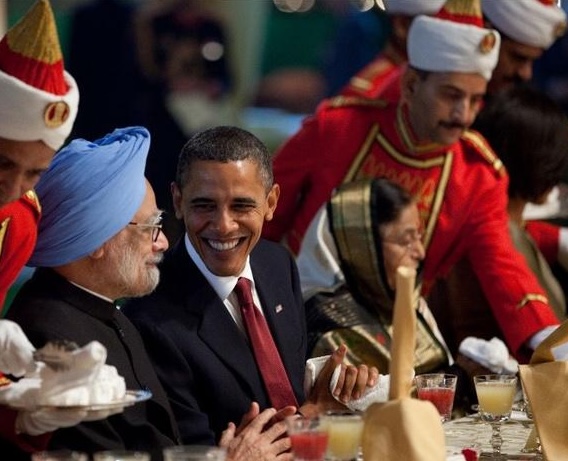
Culinary diplomacy is solely the practice of states, “characterized by using food for diplomatic pursuits.” (Chapple-Sokol, 2013). It is part of statecraft, used by diplomatic actors to build and strengthen diplomatic relationships by offering dining experiences as a form of engagement. It is a soft power tool that “uses cuisine as a medium to enhance formal diplomacy in official diplomatic functions” (Rockower, 2012) and to promote specific foreign policy goals. Its audience is members of the elite diplomatic community.
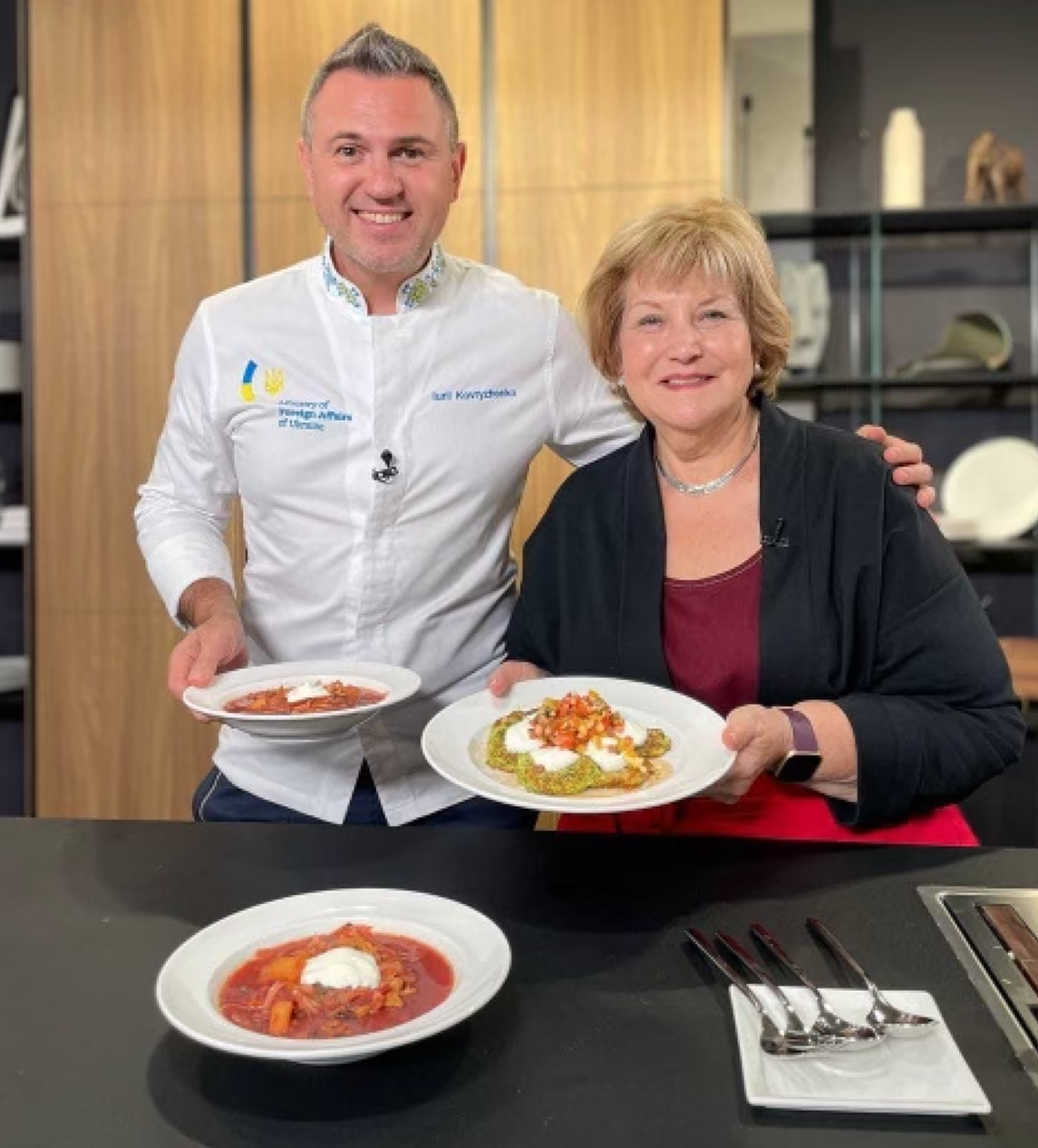
Gastrodiplomacy and culinary diplomacy are often used interchangeably to describe public diplomacy strategies that use food as a means of communicating culture to foreign audiences. Both use food and cuisine to forge connections between communities (Cull 2008), but they differ in their objectives and in the audience they try to influence. There is some overlap. Gastrodiplomacy can also be used by governments to brand food or cuisine to attract international attention by having a certain product positively associated with their country. It can be used to engage national and regional governments who use unique cuisines to market a location as a tourist destination or support the export of locally grown or manufactured food products.
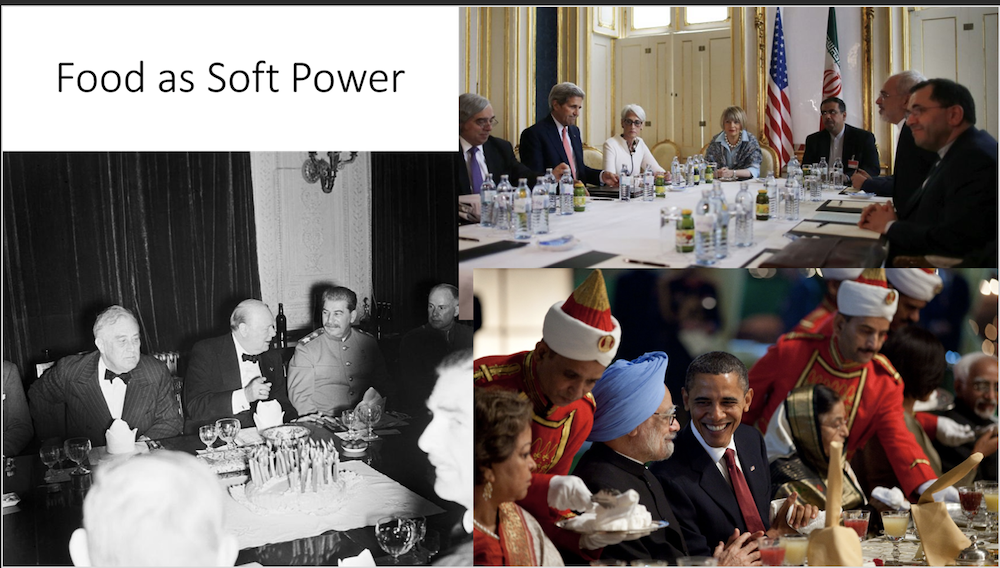
Sources: (International Churchill Society; Official White House Photo by Pete Souza; U.S. Department of State).
- Chapple-Sokol, Samuel “Culinary Diplomacy: Breaking Bread to Win Hearts and Minds”. The Hague Journal of Diplomacy. (8)2. 2013
- Nye, Joseph “Soft Power: The Means to Success in WorldPower”Cambridge, MA: Public Affairs (2004): Chapter 2
- Lowrey, Annie. “Who Decided Who Gets a State Dinner?: The President.” Foreign Policy 2010.
- Prud’homme, Alex Knopf. Dinner with the President: Food, politics, and a history of breaking bread at the White House, 2023.
- Stelzer, Cita, Dinner with Churchill: Policy Making at the Dinner Table, (New York and London, Pegasus Books, 2012: Chapter 3 “Christmas at the Whitehouse”, December 1941-Janaury 1942.
- Luce, Edward.“The Dinner That Helped Save Europe.” Financial Times, July 8, 2023.● Mendelson Forman, Johanna. “Ukraine’s Borsch Diplomacy.” Inkstick Media, December 23, 2021.

