Social gastronomy is citizen-driven, linking entrepreneurship, food justice and gastronomy. It is a subset of activities arising from the field of gastrodiplomacy using food to achieve social change. It started as a chef-led response to hunger and social inequality but has expanded to refer to projects that use entrepreneurship and culinary training as a means of social activism. Social gastronomy is a dynamic field, demonstrating the changing role that food plays in supporting a broad range of societal needs such as income inequality, refugee and immigrant needs, climate change and humanitarian crises. It is also a form of soft power as food entrepreneurship is being used to support the economic needs of immigrants and refugees.
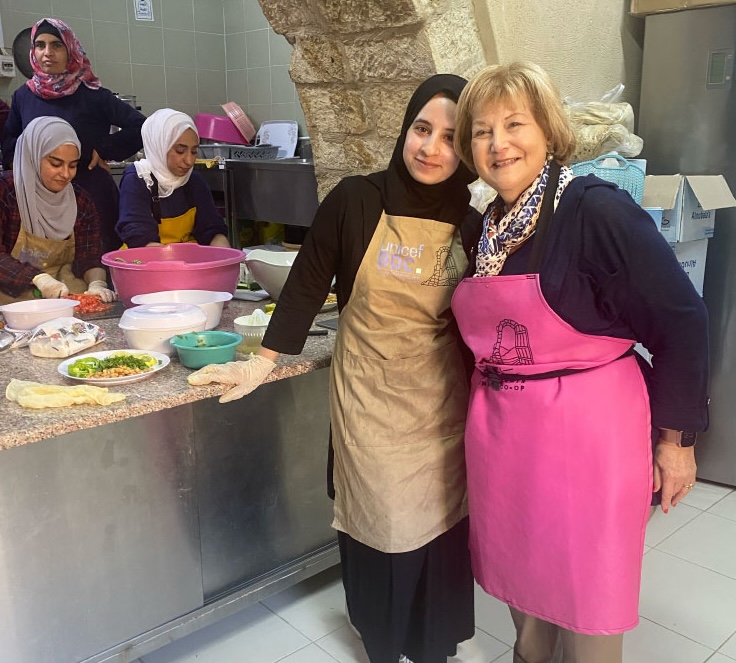
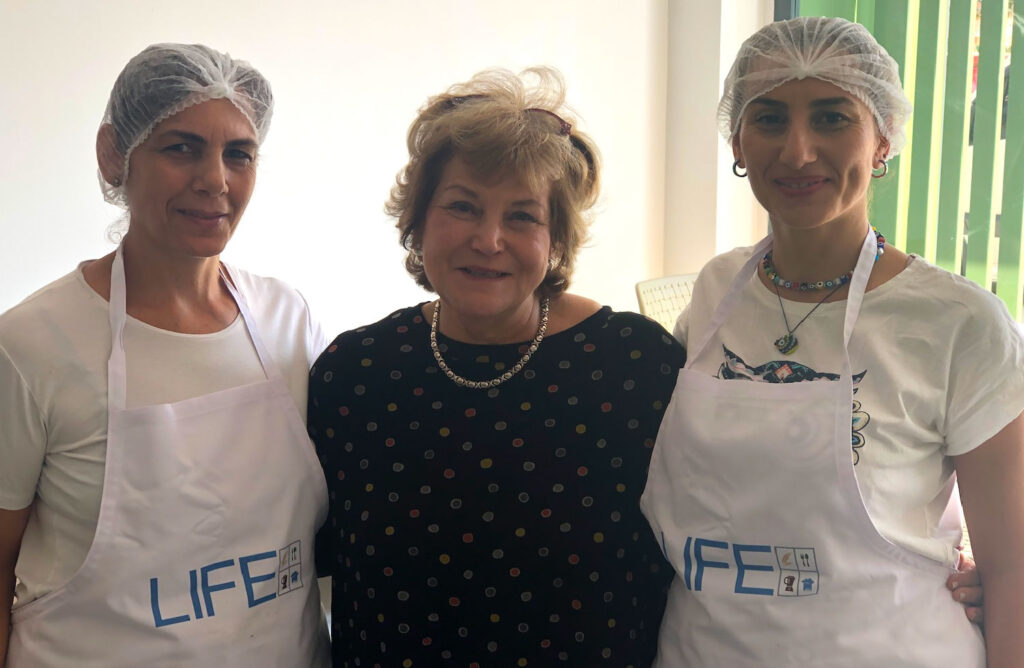
Social gastronomy shares many gastrodiplomacy practices, such as having food become a tool that is used to train and support people whose lives have been impacted by external challenges. Refugees and migrants, the incarcerated, and women who often become the breadwinners during conflicts, are the beneficiaries. Food training programs can have a social impact when the goal is to help people find a means of financial support. Social gastronomy programs have been applied to such societal problems as social inequality, refugees, disaster situations, and mitigation of climate change through a focus on sustainable farming. Examples include creating food-related job training in correctional institutions, supporting entrepreneurs whose mission is to serve food to those without means, or serving in emergency situations that arise from both man-made and natural disasters. Moreover, social gastronomy efforts are also seen as educational, helping consumers understand ways to achieve healthy diets, or promoting greater food security.
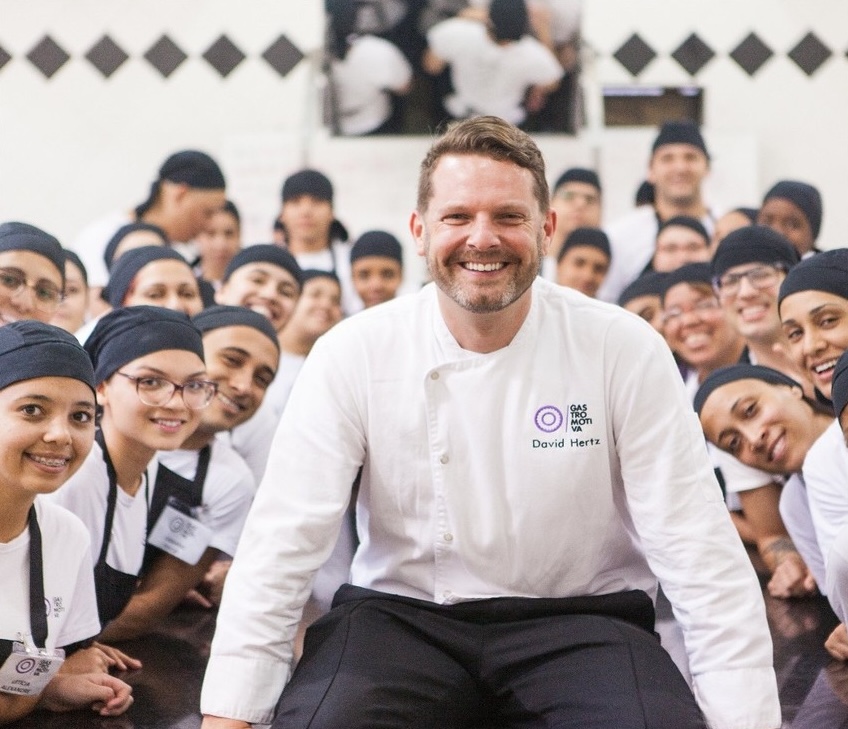
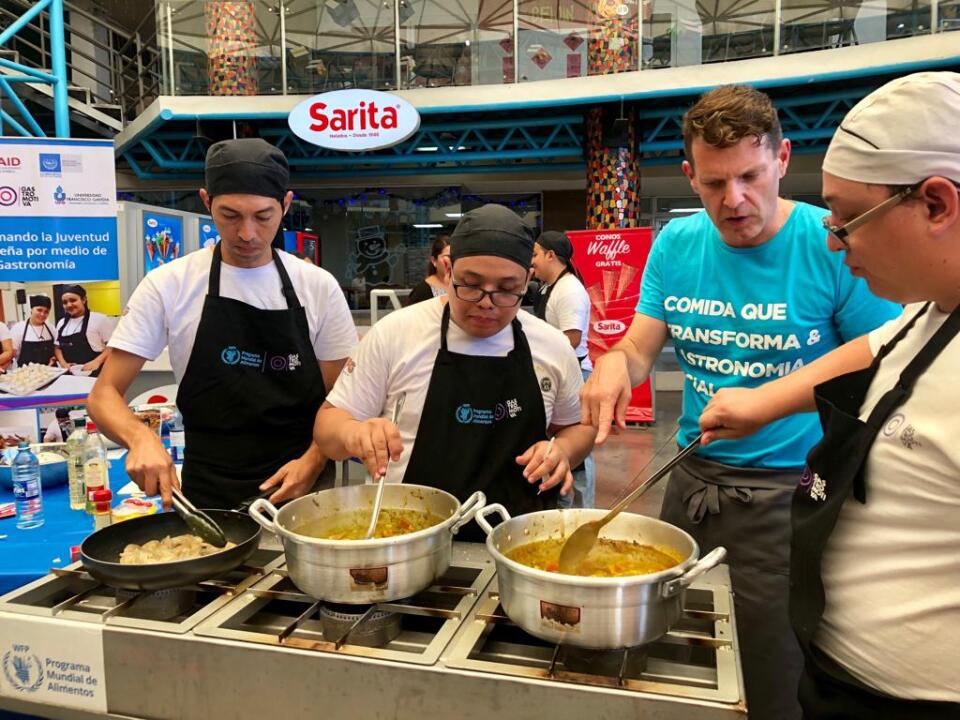
The Social Gastronomy Movement
Is food the new internet of the 21st century?
How food and gastronomy can become a tool to connect people and address some of the world’s most pressing issues such as hunger, malnutrition, climate change, or unemployment. Social Gastronomy and its many faces in our current context – join us and learn more about the concept of social gastronomy and entrepreneurs around the world using food as a tool for social change in their local communities.
For those interested in learning more, we encourage you to visit the Social Gastronomy Movement at: www.socialgastronomy.org
The Life Project Cookbook:
The Cuisine of LIFE: Recipes and Stories of the New Food Entrepreneurs of Turkey
This cookbook is the result of a three-year collaborative social gastronomy project implemented by an international consortium including the Stimson Center, the Center for International Private Enterprise (CIPE), Idema (International Development Management), Union Kitchen, and the William Davidson Institute at the University of Michigan, in partnership with Turkish organizations. It highlights food as a tool for economic empowerment and resilience, featuring recipes and personal stories from emerging food entrepreneurs in Turkey.
- Johanna Mendelson Forman, “Is Social Gastronomy a Recipe for Peace?”
- Andrea Borghini and Patrik Engisch, The Philosophy of Recipes, Routledge, London, 2021
- The Social Gastronomy Movement www.socialgastronomy.org
- Keddie, 2021. How Mardin Chef Ebru Baybara Demir is Helping Vulnerable Women in Turkey & Syria through Gastronomy
- Egger, Robert. “Op-ed: Now is the Time for Cooking Schools to Offer Culinary Activism 101.” Civil Eats. December 18, 2020.
- Severson, Kim. “José Andrés Fed Puerto Rico, and May Change How Aid Is Given.” The New York Times. October 30, 2017.
- Bellafante, Ginia. “Brooklyn’s Anti-Gentrification Restaurant.” The New York Times. July 27, 2017
- Korman, Carolyn. “The Tasting-Menu Initiative: Can a restaurant for the rich benefit the poor?”. The New Yorker. April 4, 2016, Issue.

