
In a turbulent world, food has become a symbol of resilience and survival and its important that we all get involved in leveraging the power of food to make a positive difference for individuals, cultures and countries.
What can you do?
Bring our adventure-filled course, Conflict Cuisine®: A place at the table, to your campus, community group, club, or association—and prepare for an immersive, thought-provoking experience that will forever change the way you think about food.
Here is what you and your group can expect to learn through Conflict Cuisine®: An Introduction to War and Peace Around the Dinner Table:
- The vocabulary related to what is now called social gastronomy (the use of food to promote the common good).
- Culinary diplomacy, gastrodiplomacy and how governments and civil society use these concepts to build a more peaceful world through food.
- The way in which food drives conflict, and the complex interrelationship between climate change, water supply and urbanization.
- U.S. policies that support global food security.
- Diaspora cuisines in Washington, DC area and in other parts of the United States.
- The importance of food as tool for social justice, for empowerment and for resilience.
A decade ago, I created the first syllabus for a course named “Conflict Cuisine: War and Peace around the Dinner Table.” Over the years as food studies were integrated into more courses about security and development, I continued to revise the syllabus to reflect latest trends, including climate change, displaced and refugee populations, and more focus on gastrodiplomacy and social gastronomy.
While my syllabus reflects my version of what materials to include for higher level undergraduate courses, these can be modified to fit local needs. When I started teaching about food and war there were many outside-the-classroom visits to local restaurants of the diaspora community, field trips to a charter school training refugees, including firsthand experiences for the students. These have continued, but there is now more classroom learning, use of outside speakers, mostly because during the COVID-19 pandemic it was harder to arrange outside visits.
I also hoped that this course could be adopted to any community. Most places in this country have Mexican or Chinese restaurants, not to mention the presence of so many different eateries reflecting the expanding global migrations that we see at our doorstep. Diasporas are everywhere.
Sadly, we live in a time when efforts are being made to close the open doors that once were a signal feature of our nation. I believe, however, that students still need a way to learn that the United States over the course of history has kept its doors open allowing our exceptional development as a nation. What better way to learn about our nation’s diverse population than through the study of diaspora cuisines and the stories of those who created them. Food makes our story even more accessible to so many students. A course like mine is a perfect fit in any program that studies conflict and development and food security.
This course is a rare opportunity to learn about Conflict Cuisine® from one of the most respected thought leaders in the field. For more information about bringing the course to your campus, group, association or community, contact johanna@conflictcuisine.com or fill out the form on our Contact page.
You’ll also:
Explore local projects centered around practicing social gastronomy. Consume meals prepared by diaspora chefs and learn how these foods are prepared and where ingredients are sourced. Gain a better understanding of why food is essential not only for survival, but for the economy.
This course is a rare opportunity learn about Conflict Cuisine® from one of the most respected thought leaders in the field. For more information about bringing the course to your campus, group, association or community, contact johanna@conflictcuisine.com or fill out the form on our Contact page.
Academic Reports
Conflict is multidimensional, as is the concept of food security. Yet, despite the enormous amount of resources devoted to humanitarian purposes and development in conflict or post-conflict countries, we still do not fully understand what levels or aspects of food insecurity are most likely to directly contribute to or cause conflict, or the ways in which food can or does serve as a vehicle of reconciliation and transition.
Conflict Cuisine seeks to contribute to interdisciplinary academic research in this area.
📢 New Report Available!
We’re excited to share the most recent report from our March 5th class event, “Diaspora, Identity, and the Power of Food in Washington, D.C.”
The report highlights inspiring conversations with chefs, restaurateurs, and food advocates on how food serves as a tool for diplomacy, resilience, and cultural awareness. You’ll also find case studies on cuisines from Colombia, Afghanistan, Ethiopia, Vietnam, Venezuela, and El Salvador.
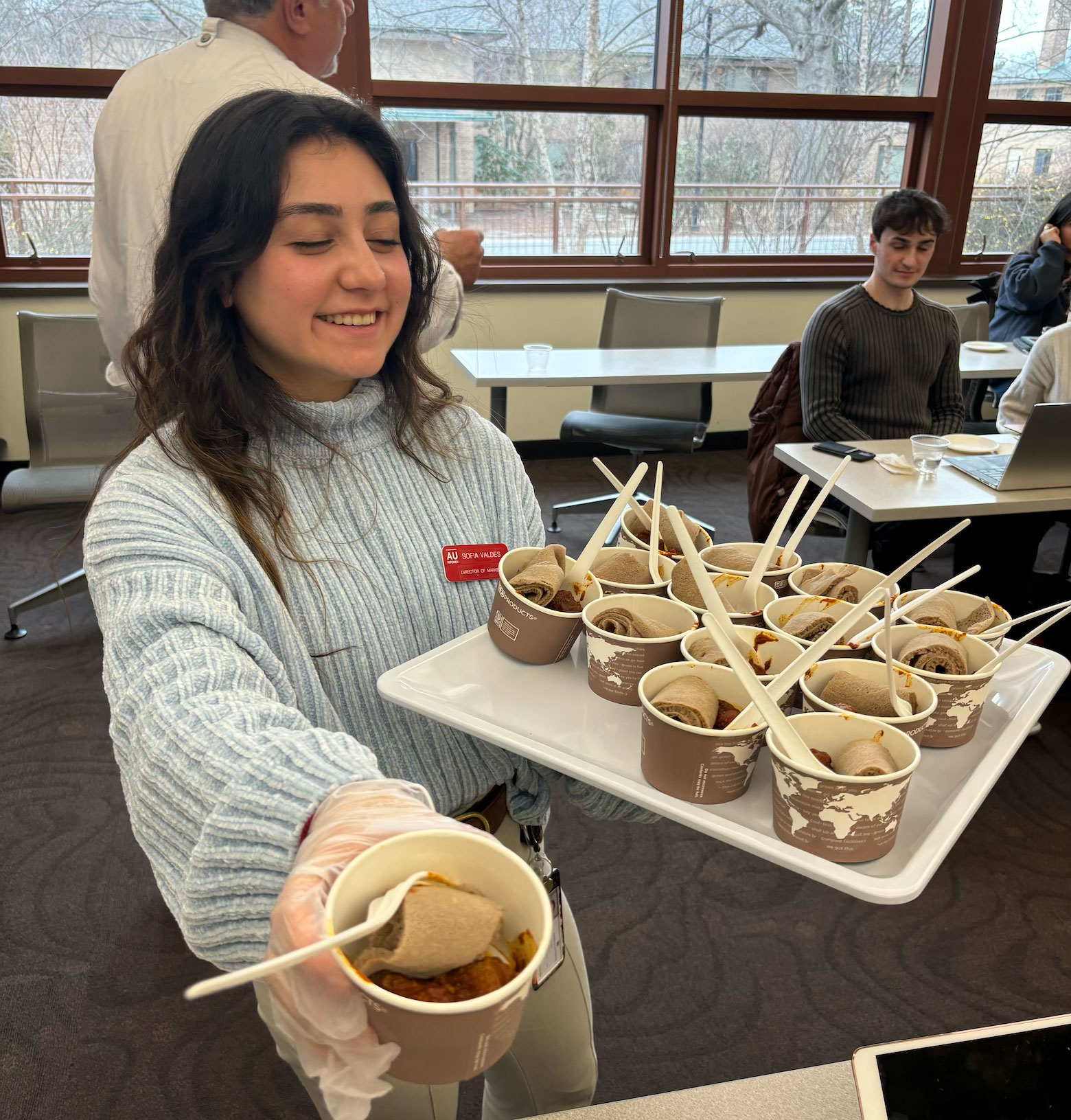
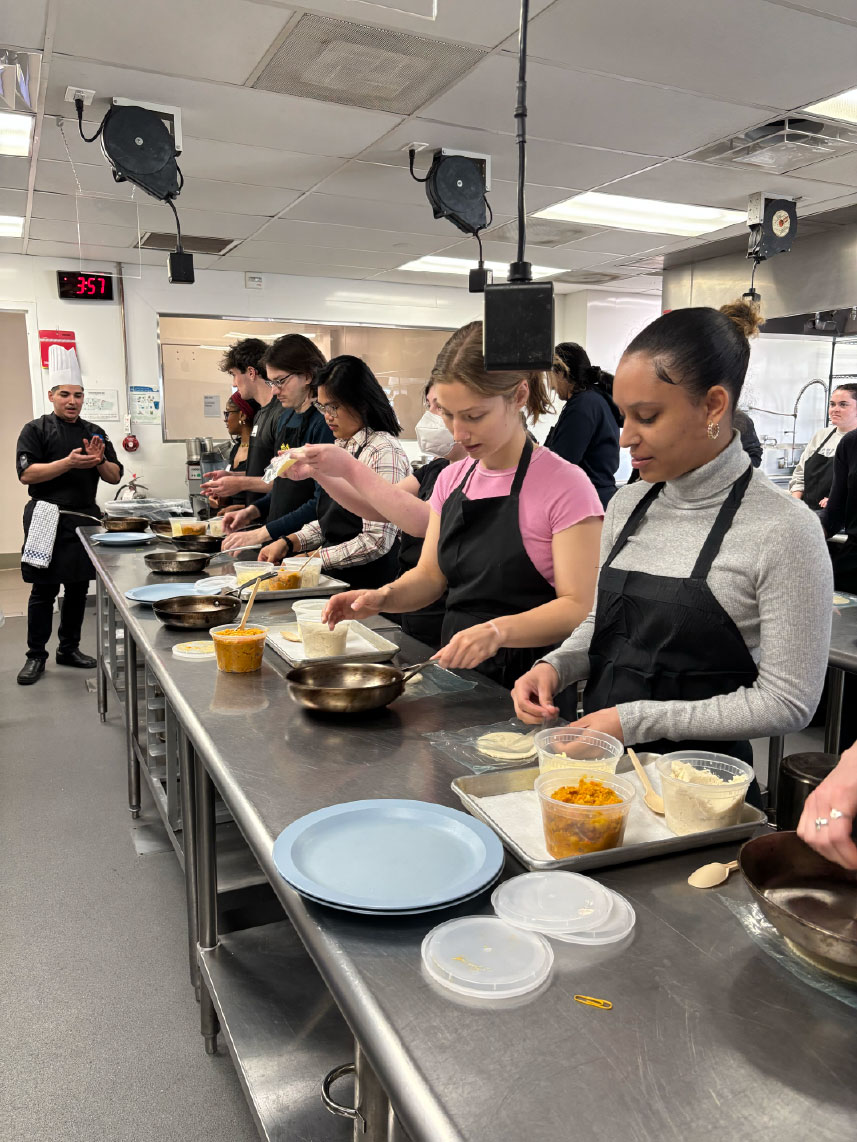
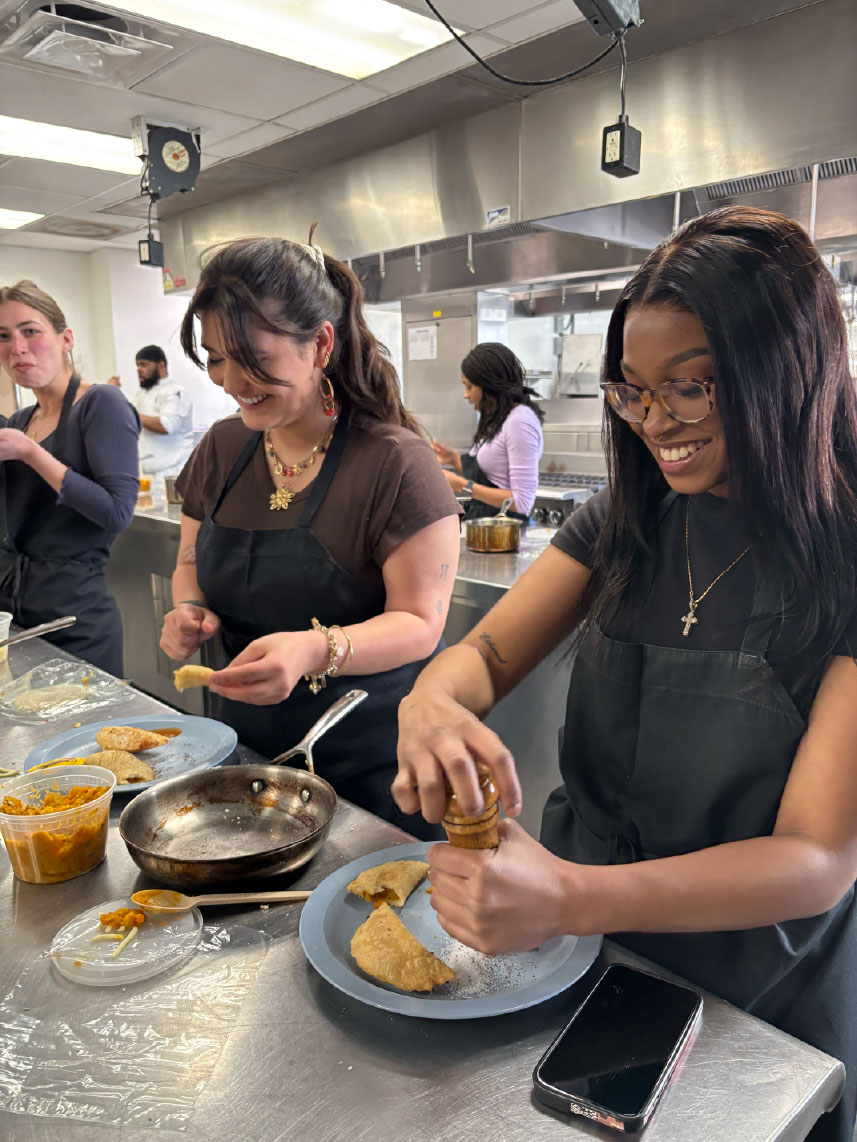
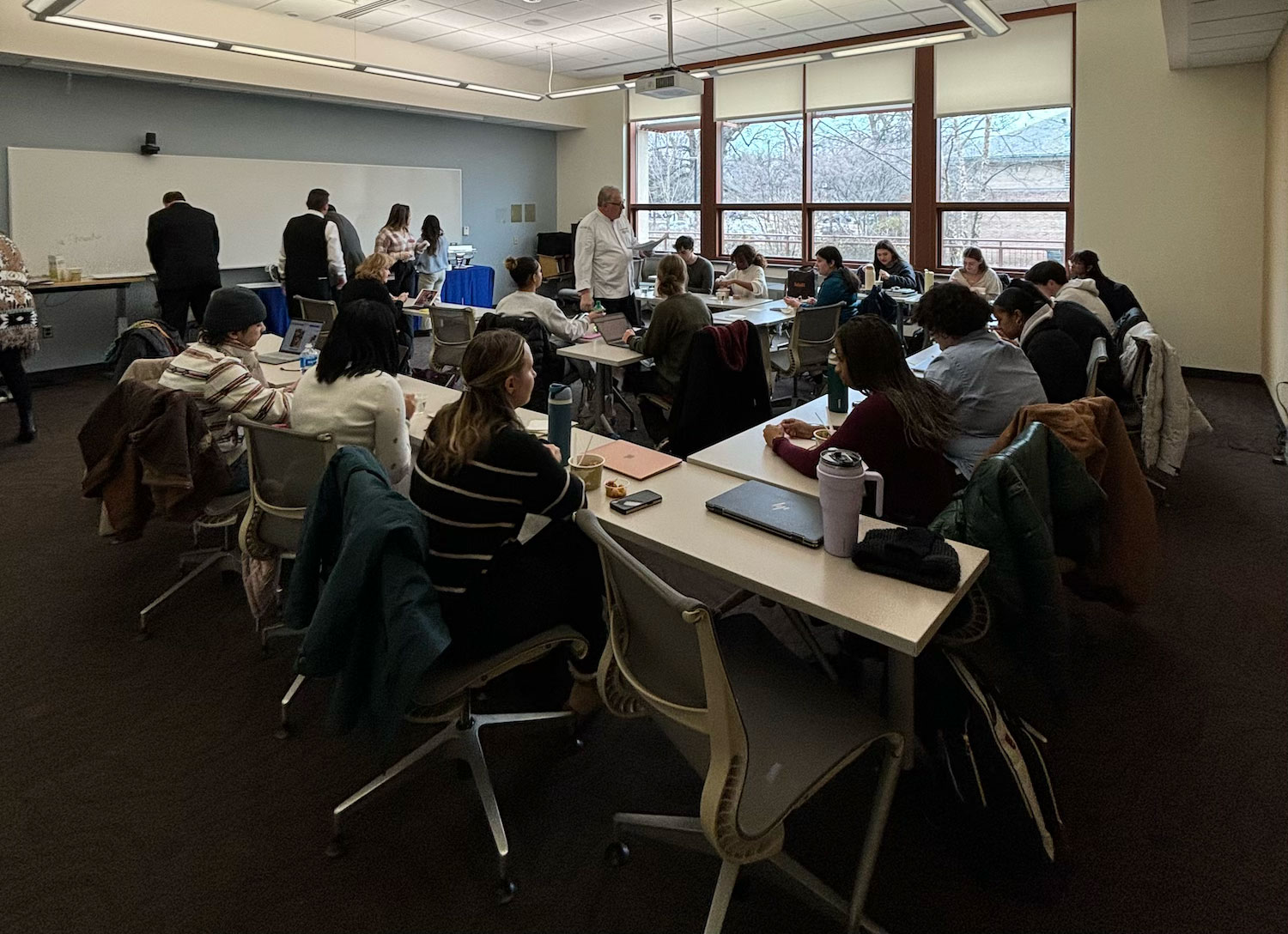
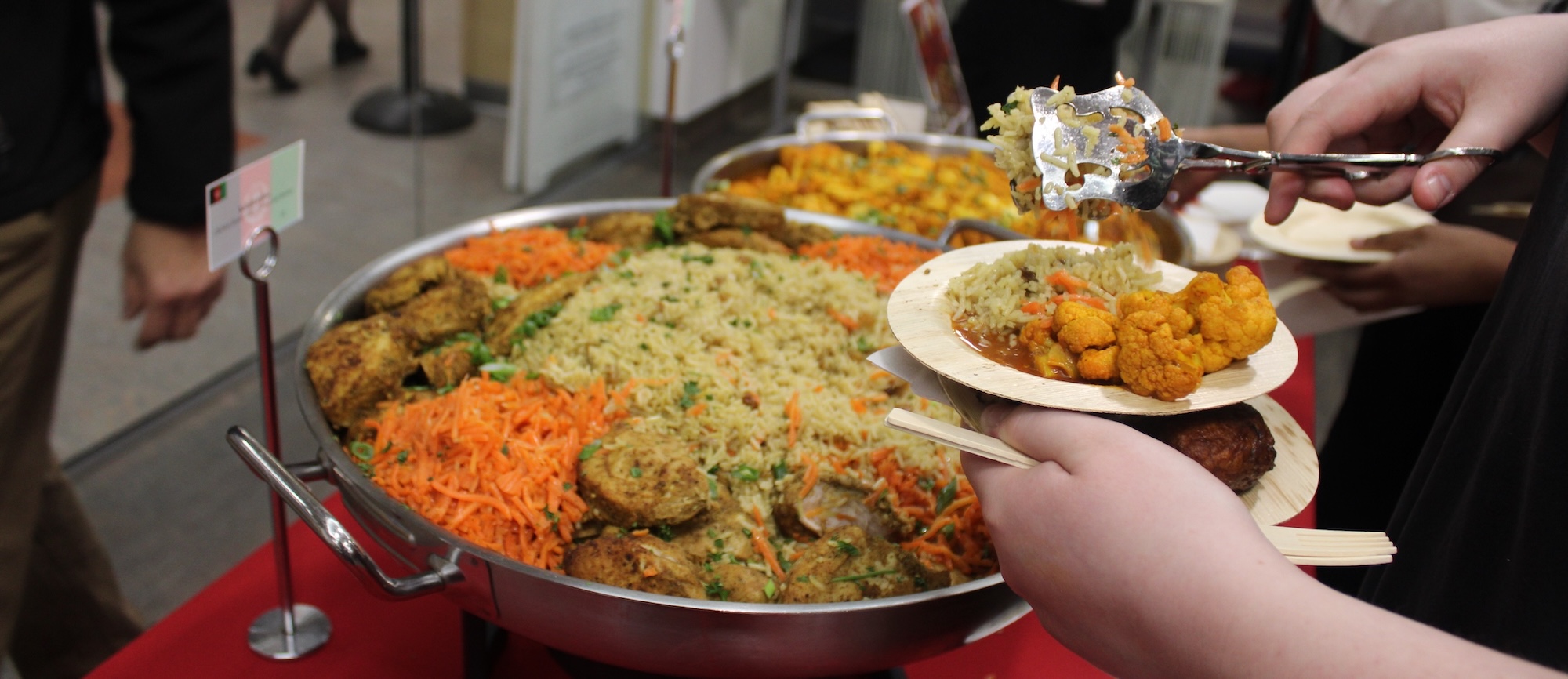
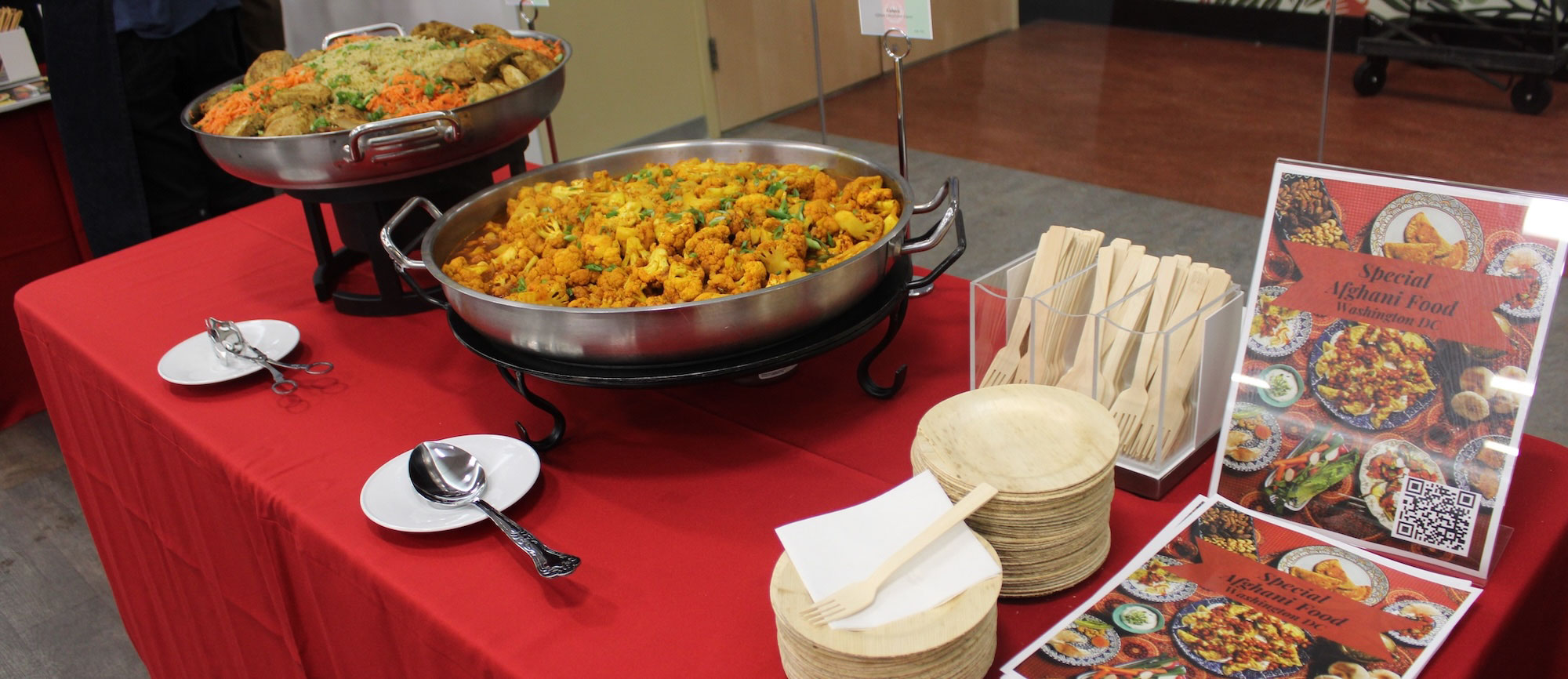
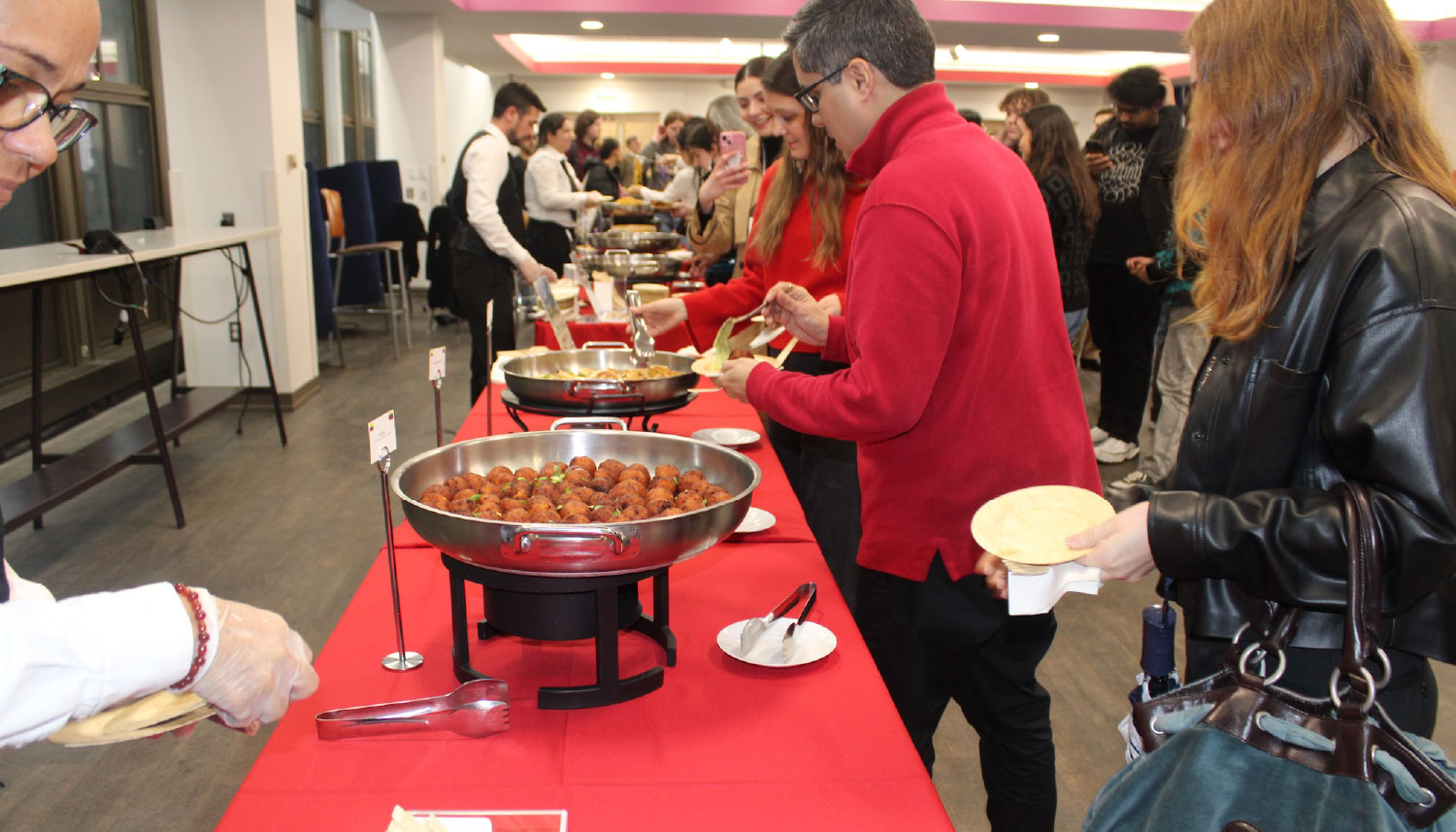
Photo credit: Maria Paula Ardila, 2025

